
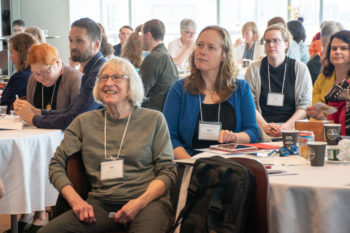
Our May 27-28 conference in Ottawa was attended by 66 people from across Canada and parts of the US. We met old friends and made new ones as we laughed, learned, and shared experiences and encouragement. You can find more photos in our conference album on Flickr.
Several speakers made their handouts available to our members.
Thank you to the conference committee headed by Heather Ebbs, with Alicia Peres, Barb Cuerden, Frances Curry, JoAnne Burek, and Nancy Wills, for all your work in planning and organizing this successful event.
Thank you, all you wonderful donors, for providing door prizes. Your contributions helped make the conference fun.
Thanks also to the Lord Elgin Hotel and the University of Ottawa residence.
Thank you, attendees, for your enthusiasm and participation. And an extra-big thank you if you filled out the conference survey. Your input and comments will be of enormous help to next year’s conference committee.
And speaking of next year’s conference, we’re headed to St. Johns, Newfoundland! The dates are June 12-13, 2020, so start thinking about your plans now.
 In Cal Newport’s latest book, “Digital Minimalism”, he describes how the Amish use technology intentionally.
 In 1997, John E Simkin, a founding member of the Australian Indexing Society, wrote about the “technical vs. professional aspects of the practice of indexing” and argued that “indexers must take professionalism seriously if they are to raise their own status or contribute to the development of modern information management.” You can read the article here in The Indexer Volume 20 (4)
 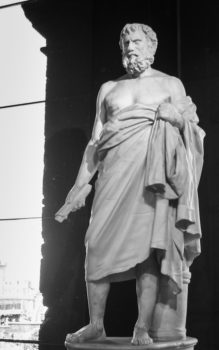 Of the all the book titles published in Canada, scholarly books make up less than 3% (Statistics Canada, 2016). For indexers, however, scholarly publishing is a significant category and can be an important source of work. But, as many indexers know, the niche has its challenges.
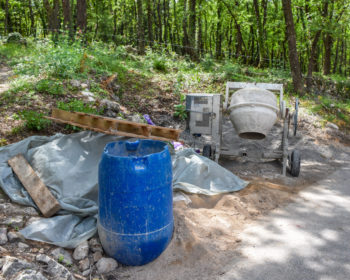 Writing an index can be like building a magnificent backyard storage shed one brick at a time, with no blueprint and no idea of what the finished product will look like.